
In the last twelve months, downloads of mobile gaming apps in Australia jumped 18 %. That growth is not just a number; it translates into more people spending an average of 90 minutes a day on handheld devices. The trend is driven by two forces: cheaper data plans and the rise of cloud‑based play that lets high‑end titles run on mid‑range phones.
From Pocket to Party Room
What used to be solitary, late‑night sessions is now a shared experience. I saw a group of friends in Melbourne stream a battle royale game onto a single screen, each controlling a character with their own phone. The game’s cross‑platform matchmaking means a player in Sydney can join a teammate in Perth without waiting for a PC build. This shift has turned living rooms into impromptu esports arenas, and bars are installing dedicated gaming zones to tap into the new audience.
Economic Ripple Effects
App revenue in Australia reached $1.3 billion in 2023, up from $1.0 billion the previous year. Developers are investing in localized content: a popular mobile shooter added an Australian outback map and native voice packs. Retailers are adapting too; a Sydney store now offers a “mobile gaming bundle” that includes a discounted data plan and a game subscription. The result is a measurable uptick in mobile‑specific sales and a 12 % rise in app‑related tax revenue for the government.
Changing Social Dynamics
Social media integration has turned game achievements into status symbols. Players share screenshots of rare loot on Instagram, and the hashtag #AusGamers has over 200 k posts. This visibility attracts younger audiences who previously gravitated toward traditional sports or streaming. Schools are now offering workshops that teach coding through game development, turning passive play into a skill‑building activity.
Challenges and Limitations
Not all is smooth. The average Australian smartphone user spends roughly 2.5 hours per day on gaming, which can crowd out time for outdoor activities. Parents report increased screen time and a decline in physical exercise. From a developer perspective, the fragmentation of Android versions means that 15 % of devices cannot run the latest updates, limiting revenue potential for high‑end titles.
Broader Entertainment Integration
Mobile gaming is now a gateway to other digital leisure. Many players who start with casual puzzle games transition to streaming services that offer game‑inspired content. A recent survey found that 38 % of mobile gamers also subscribe to a streaming platform for gaming shows or live tournaments. This crossover is creating a new ecosystem where game studios partner with content creators, and viewers can watch a match live while playing the same game on their phone.
Looking Ahead
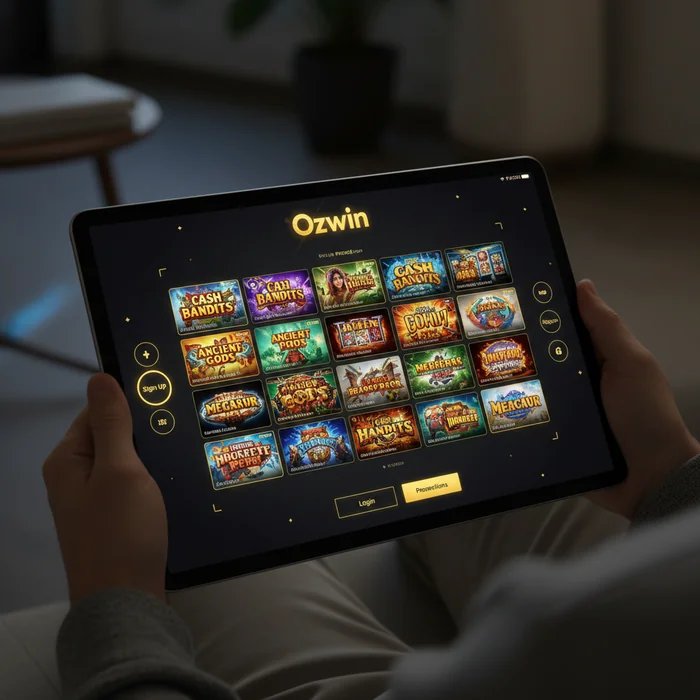
5G rollout will reduce latency to under 20 ms for most Australians, making real‑time multiplayer almost indistinguishable from console play. Developers are already testing VR overlays that can be projected onto a phone’s screen, hinting at a future where mobile devices become the primary entertainment hub. For those curious about how this trend intersects with online casino play, the evolving landscape includes platforms like ozwin casino, which offers mobile‑first gaming experiences tailored to the Australian market.
Conclusion
Mobile gaming is no longer a niche hobby; it is reshaping how Australians spend leisure time, how businesses generate revenue, and how social interactions evolve. While it brings economic growth and new social avenues, it also demands attention to screen‑time balance and device compatibility. The next wave of innovation will likely blur the lines between gaming, streaming, and interactive entertainment even further, making the phone a central hub for all digital fun.
Frequently Asked Questions
What factors are driving the 18% increase in mobile gaming downloads in Australia?
Cheaper data plans and cloud-based play allow high-end games to run on mid-range phones, attracting more players.
How much time do Australians spend on mobile games on average?
The average Aussie gamer spends about 90 minutes a day on handheld devices.
Is mobile gaming becoming a social activity in Australia?
Yes, cloud streaming lets friends stream games together, turning solo sessions into shared experiences.